Why Passion Projects Matter: Building a Creative Practice Through Collaboration
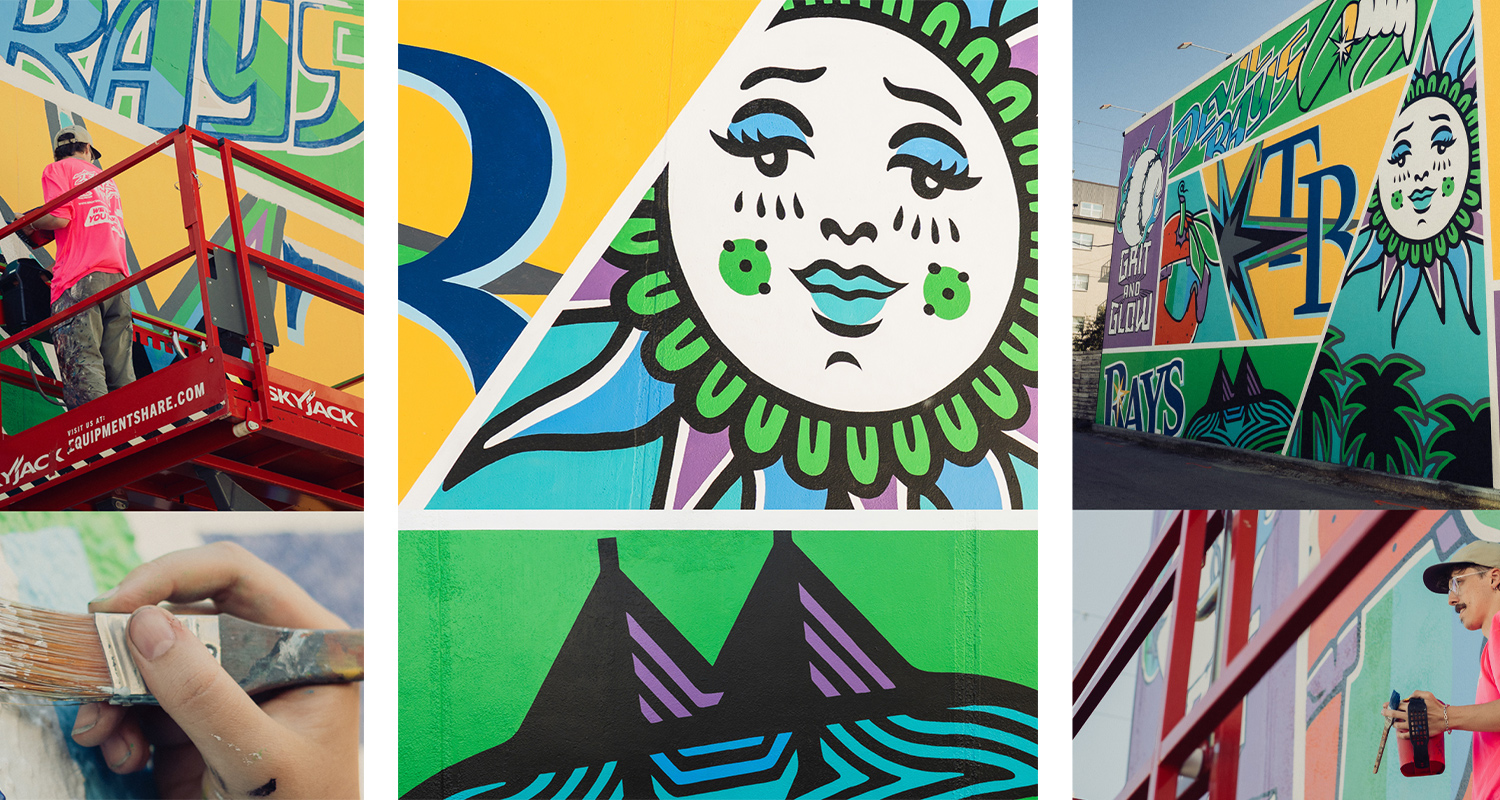
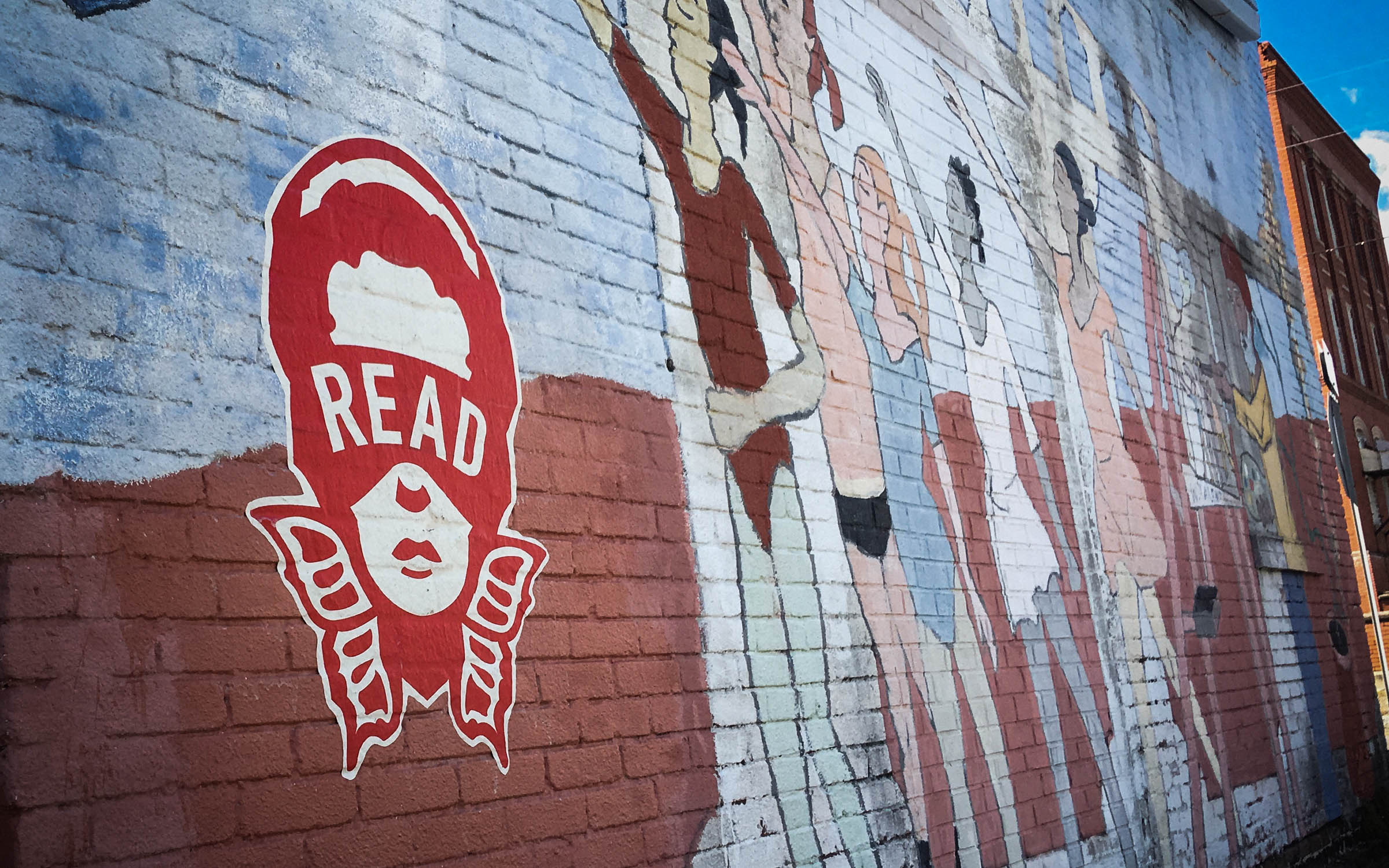
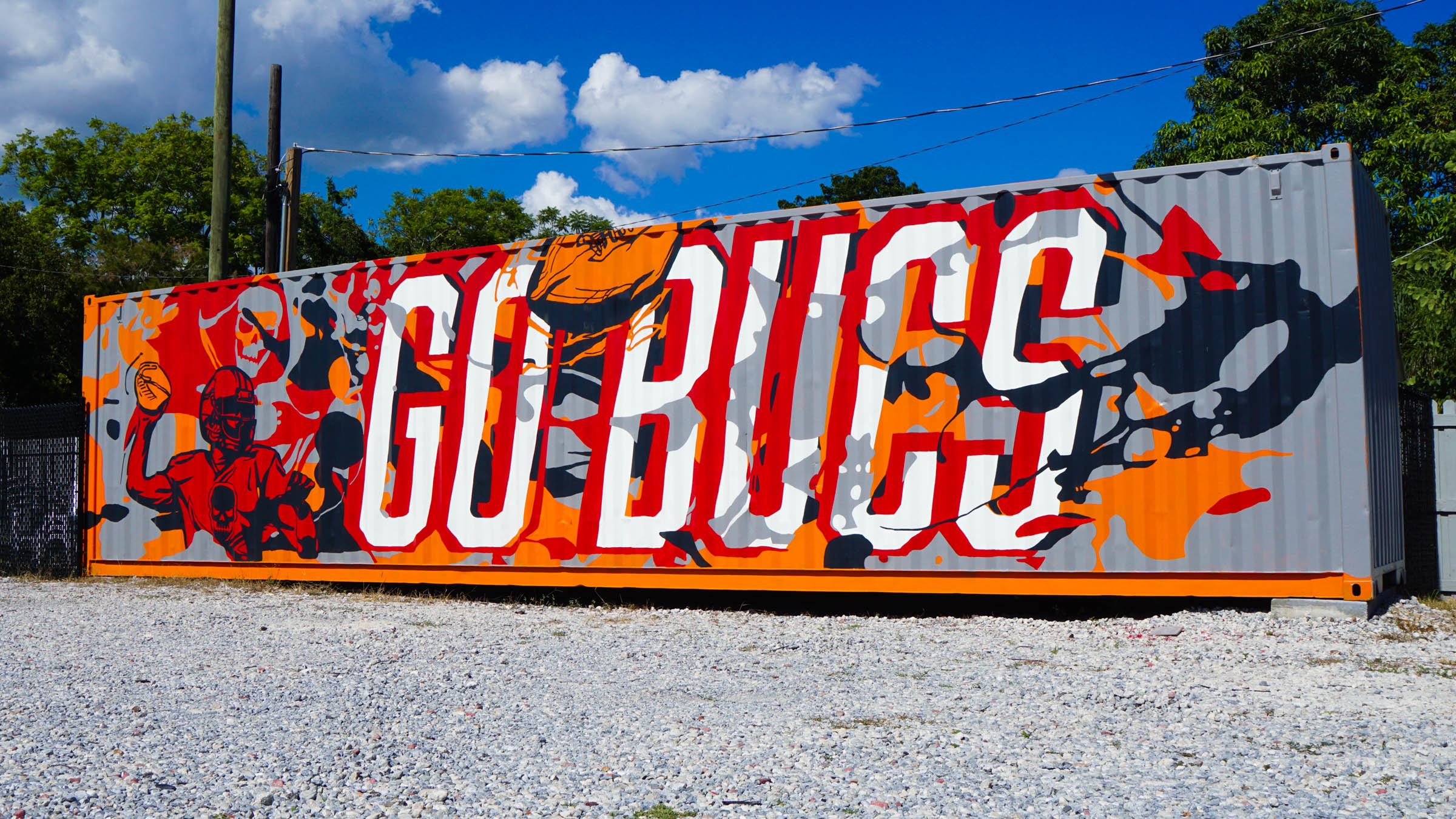
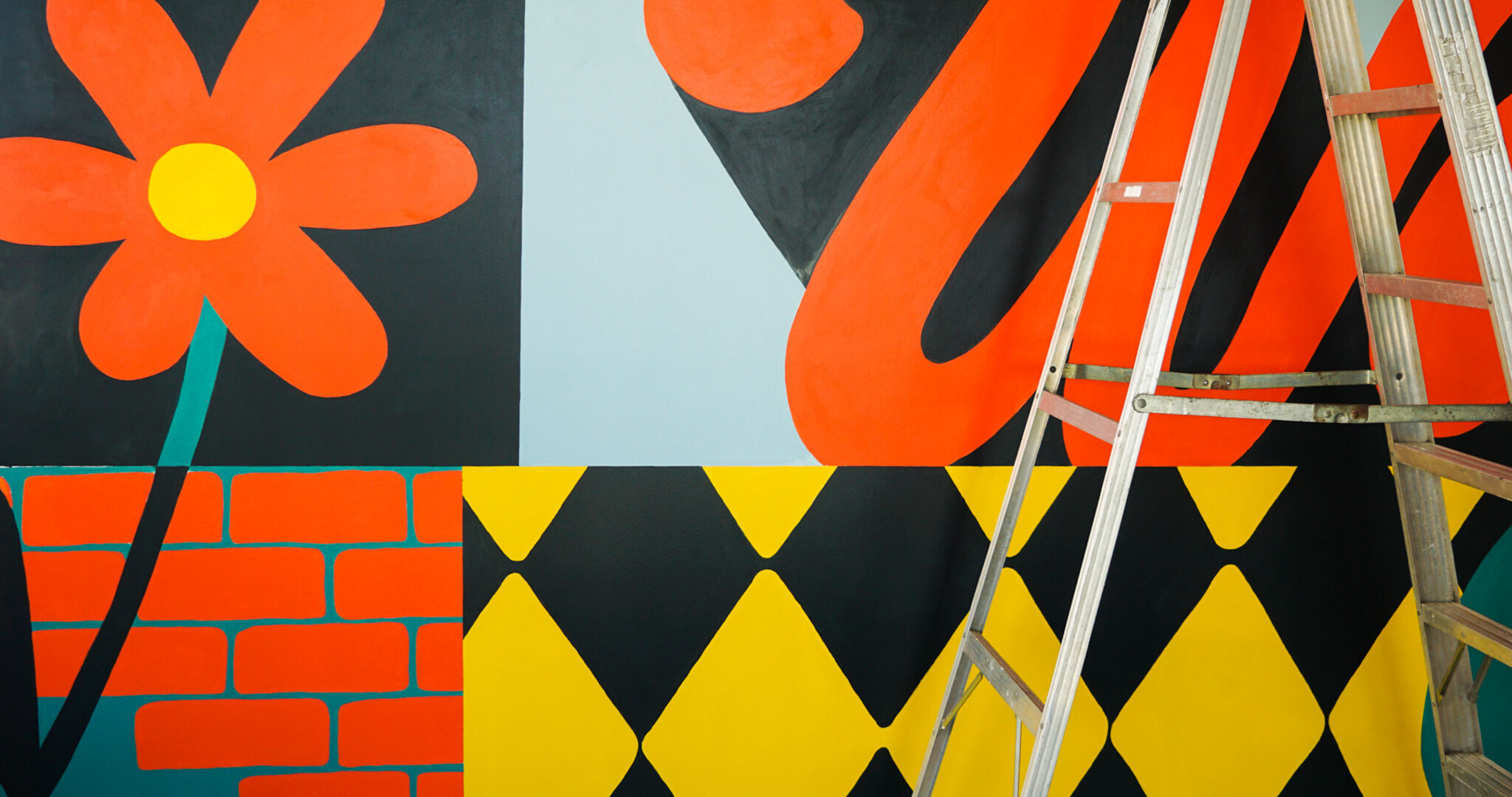
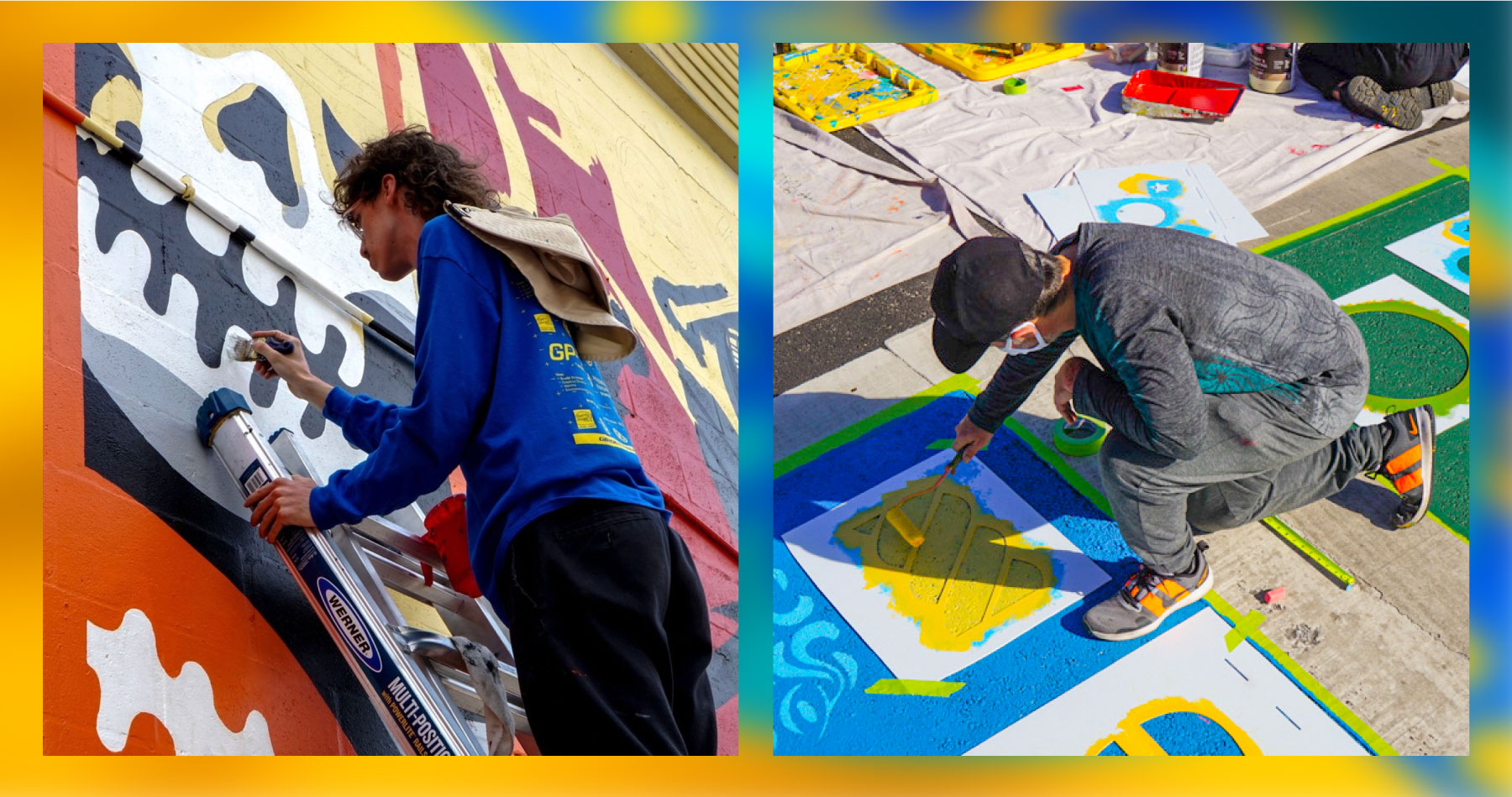
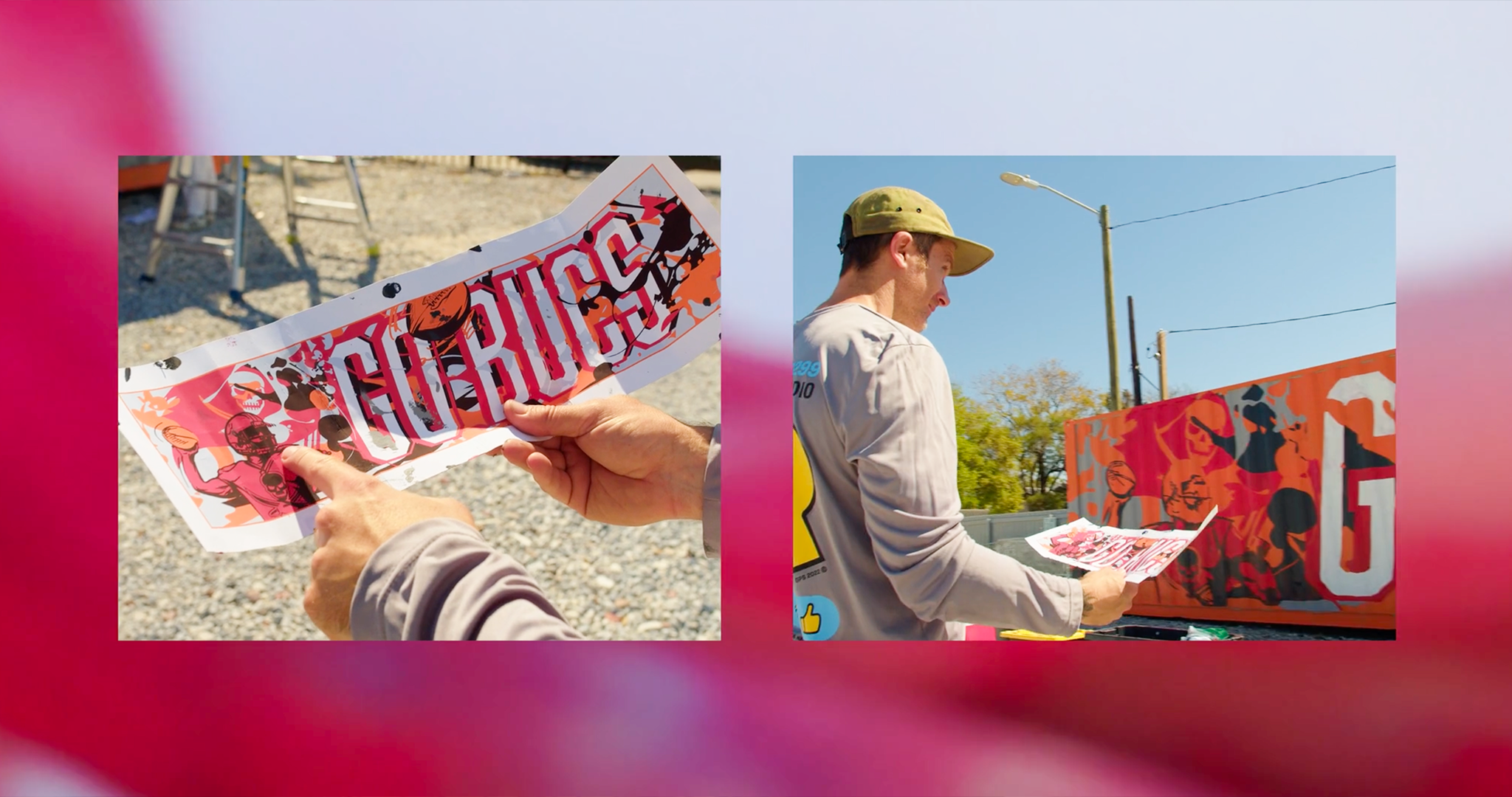
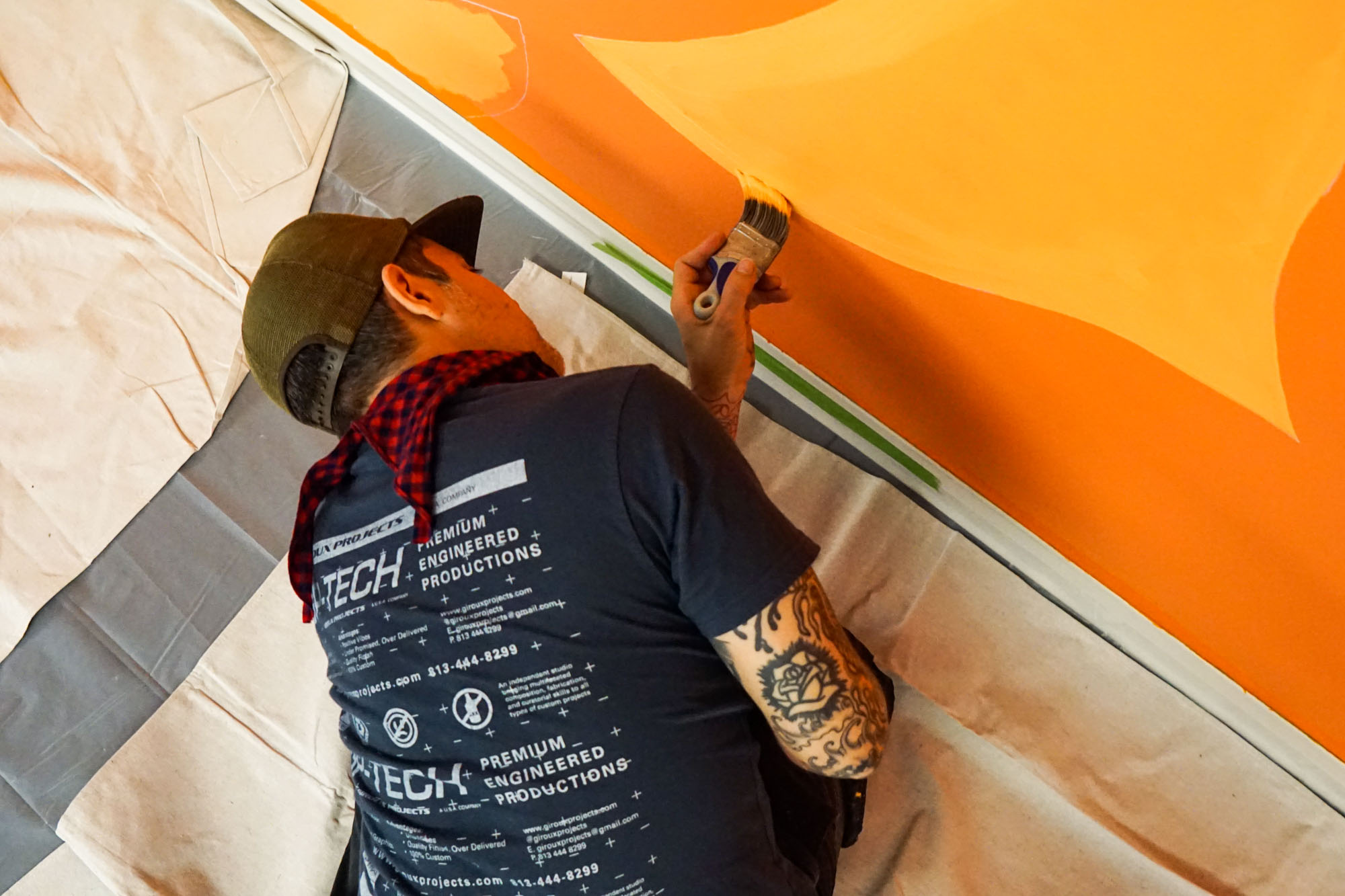
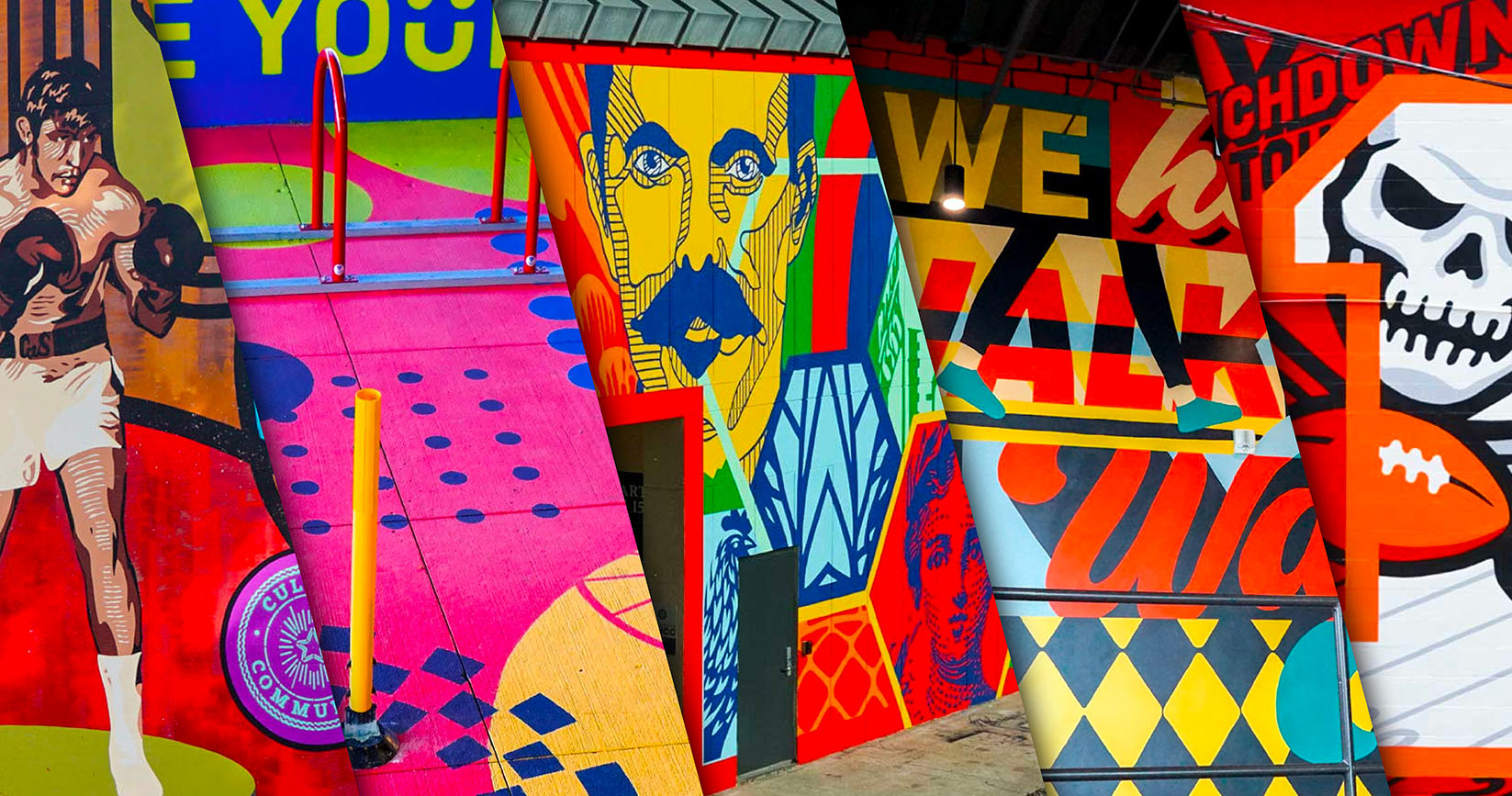
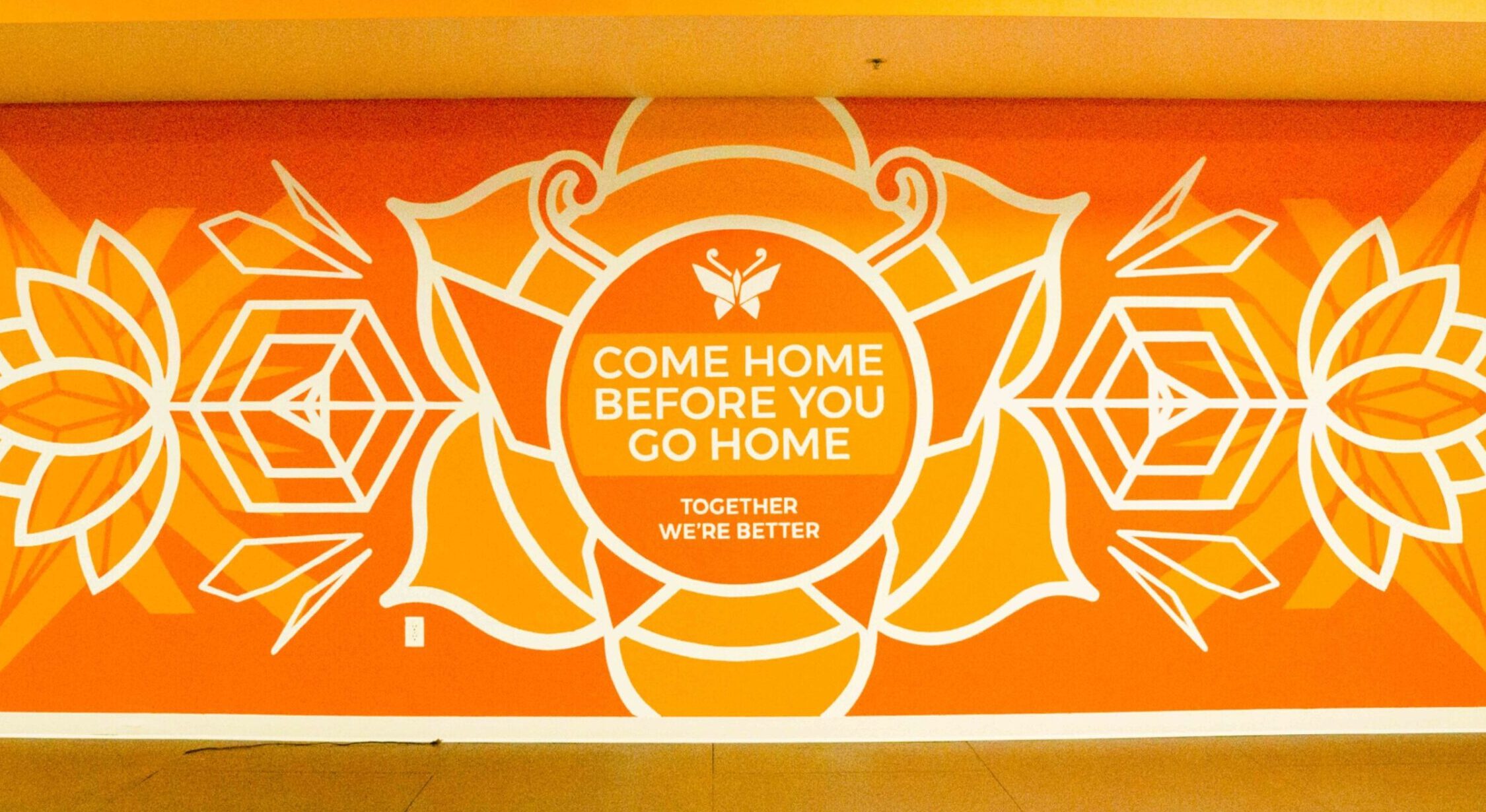
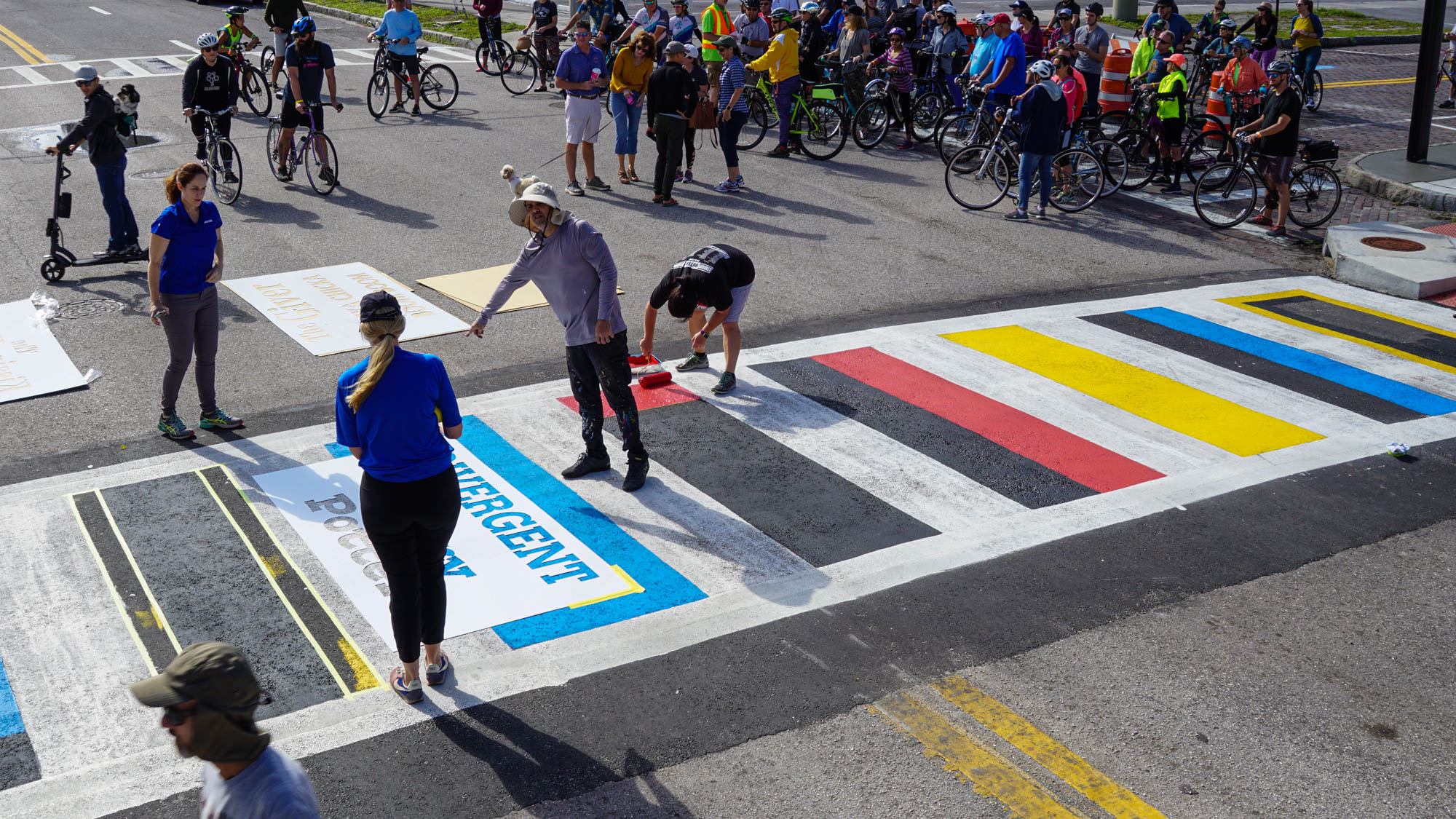
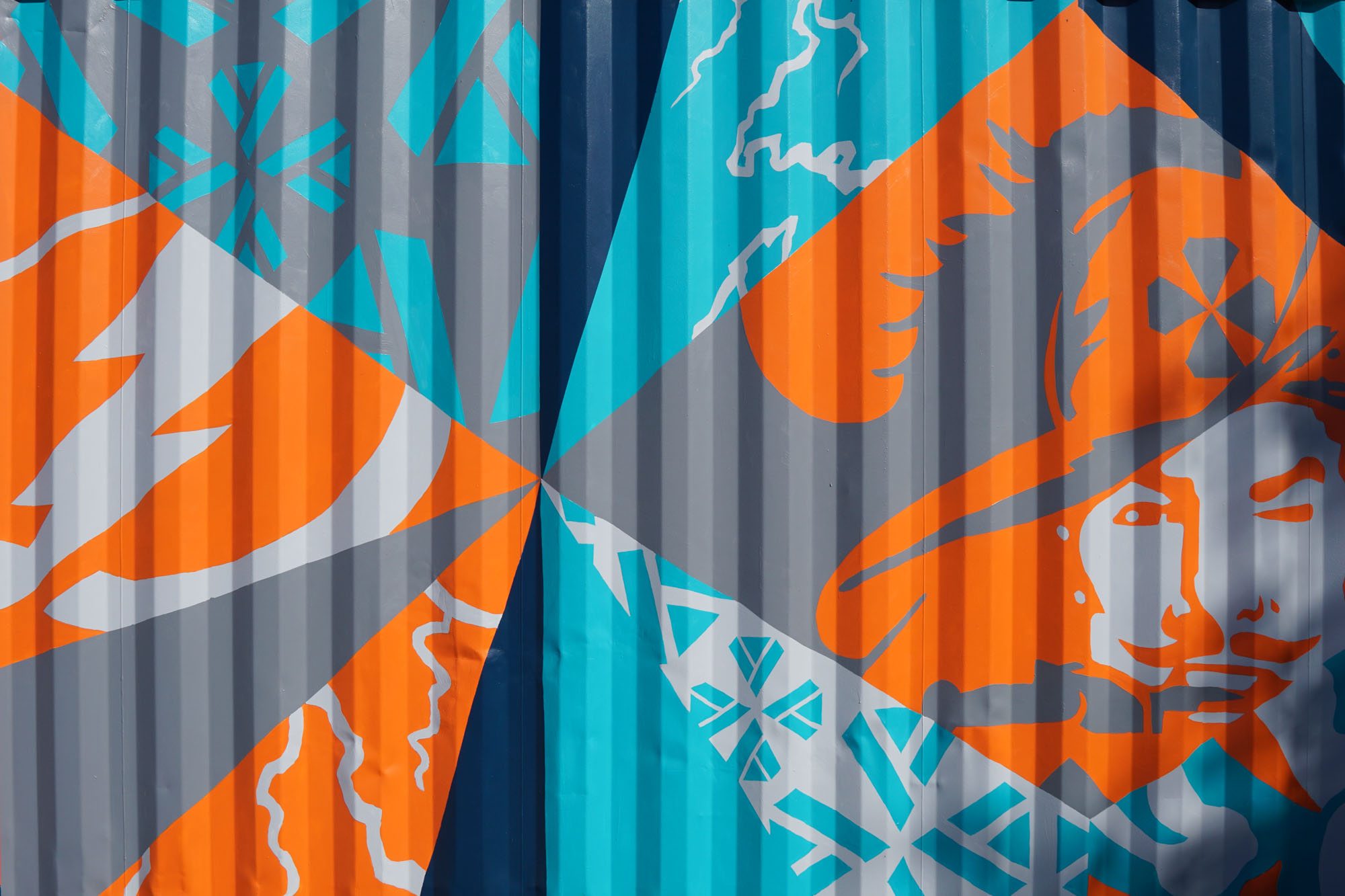
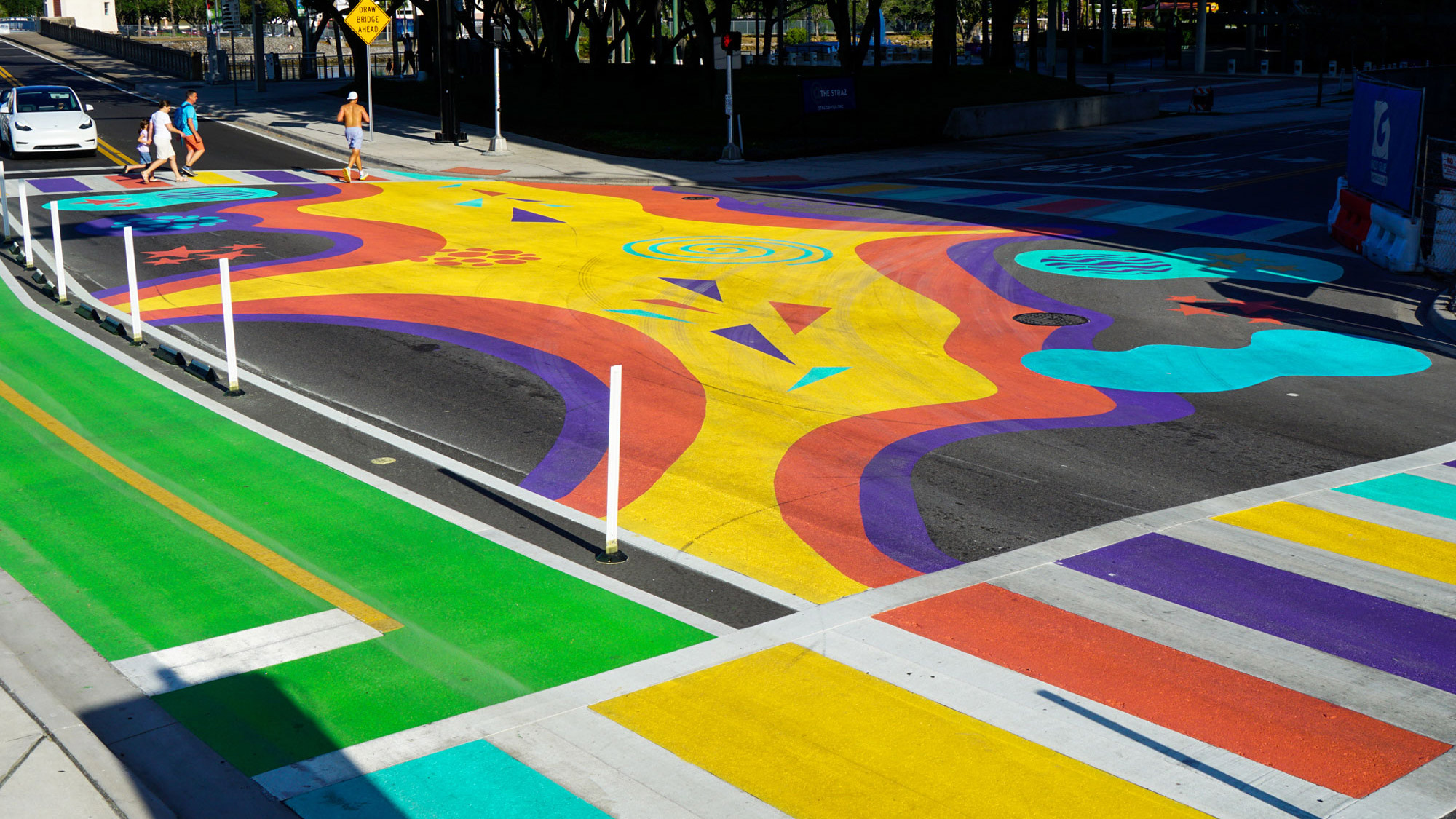
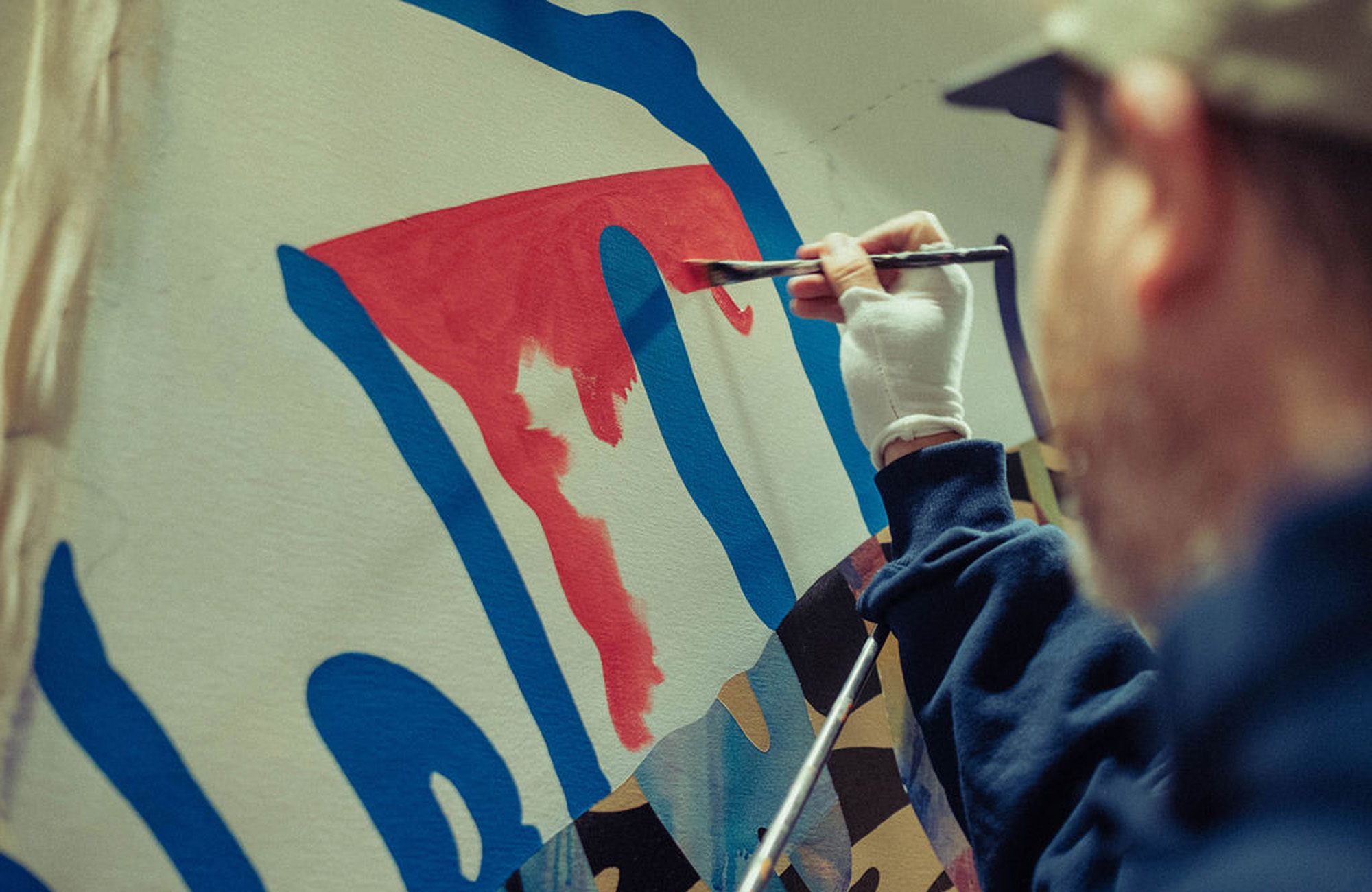
Greater Public Studio is best known for large-scale murals, public art, and brand-driven environments, but those projects are only part of our practice. Alongside commissioned work, we continue to invest time in exhibitions, screen printing, publishing, graphic design, and other self-initiated projects. Most begin without a client or budget.
Occasionally those ideas become paid commissions. More often, they build relationships, strengthen our creative practice, and introduce us to collaborators we would not have met otherwise. The work we make for ourselves often becomes the work that defines us professionally.
Starting Out
Making a living as a creative has never been straightforward.
For designers, freelancing requires finding clients before you have much of a network. Agency jobs remain a common path, although many studios are becoming leaner as AI, economic pressures, and changing client expectations reshape the industry.
Studio artists face different challenges. Galleries continue to close, collectors increasingly buy directly through social media, and an uncertain economy makes sustaining a studio practice difficult. For many graduates, creative work is pieced together through teaching, fabrication, hospitality, freelance projects, or whatever opportunities become available.
The good news is that creative careers no longer fit into a single category. You can be an artist, designer, screen printer, fabricator, curator, educator, or carpenter, often all within the same year. Those disciplines do not compete with one another. They reinforce one another.
Keep Making Personal Work
Whatever direction your career takes, continue making work that belongs to you.
Designers often refer to these as passion projects. While the phrase has become a bit overused, the idea remains important. Client work, deadlines, and budgets can slowly replace curiosity with routine. Personal projects give us a reason to experiment without someone else’s expectations directing the outcome.
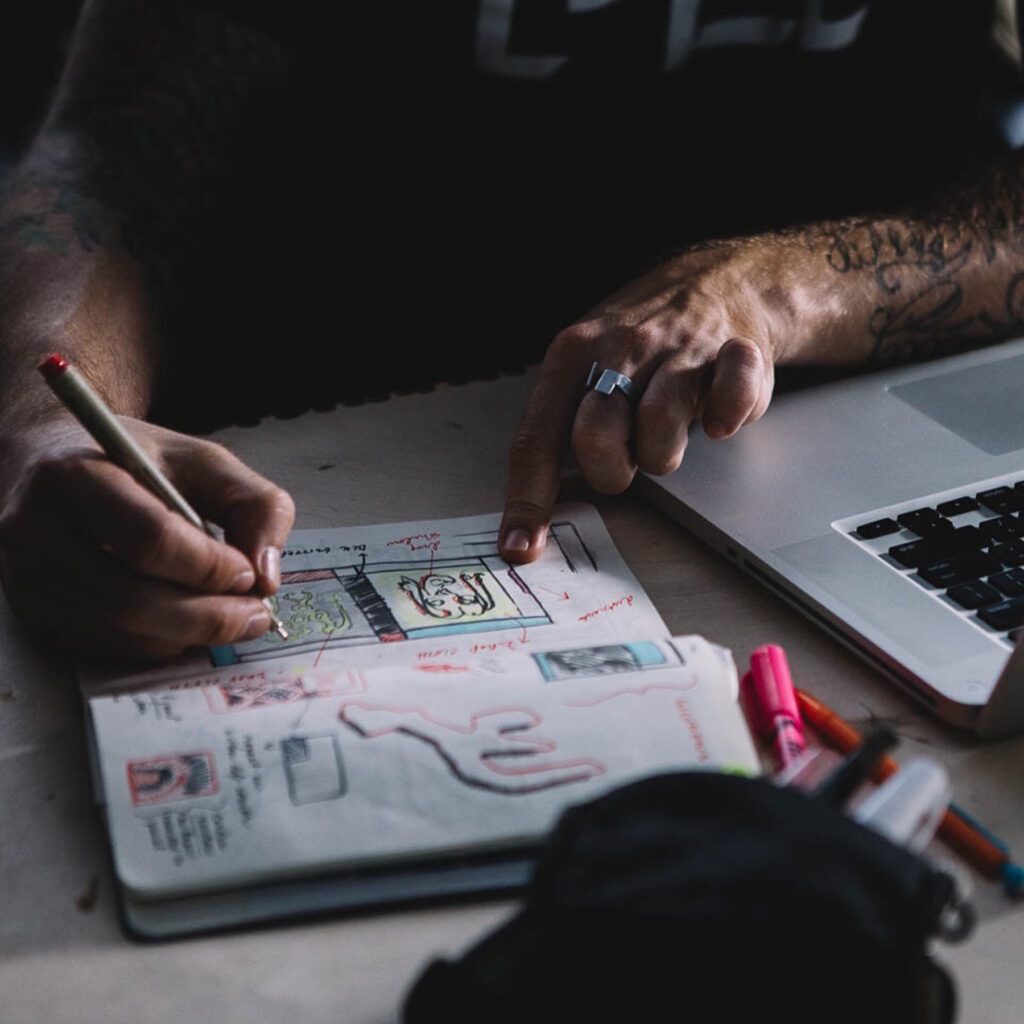
The work itself does not need to be ambitious. A sketchbook, a set of handmade stamps, a collage, a print, or a small sculpture can be enough to start generating momentum. Small ideas have a habit of growing into larger ones when given enough attention.
As the work develops, share it. Build relationships with people who are making things of their own. A creative community grows through participation, not competition. Over time, personal work creates opportunities for exhibitions, collaborations, partnerships, and occasionally new clients.
Collaboration Accelerates with Space
Creative spaces have played a defining role in my own practice.
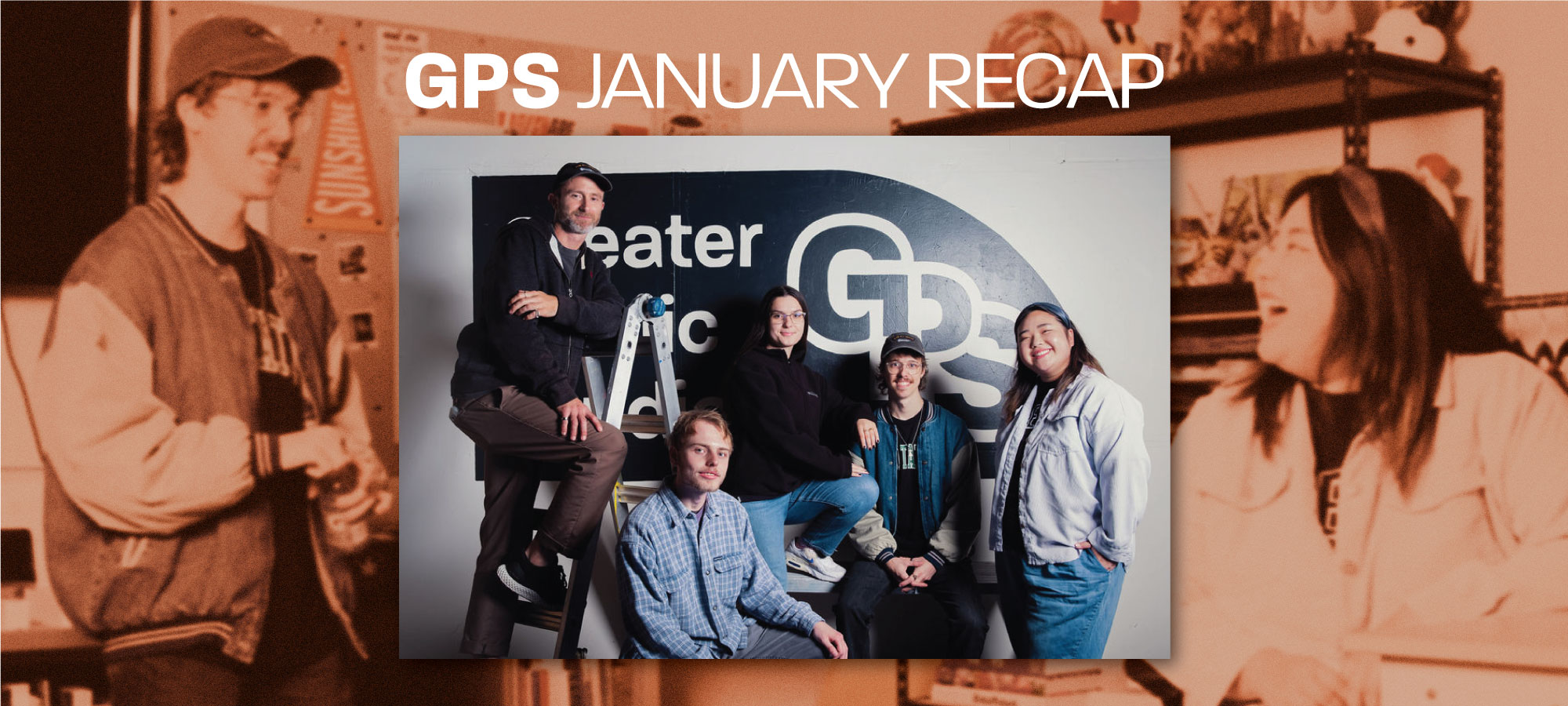
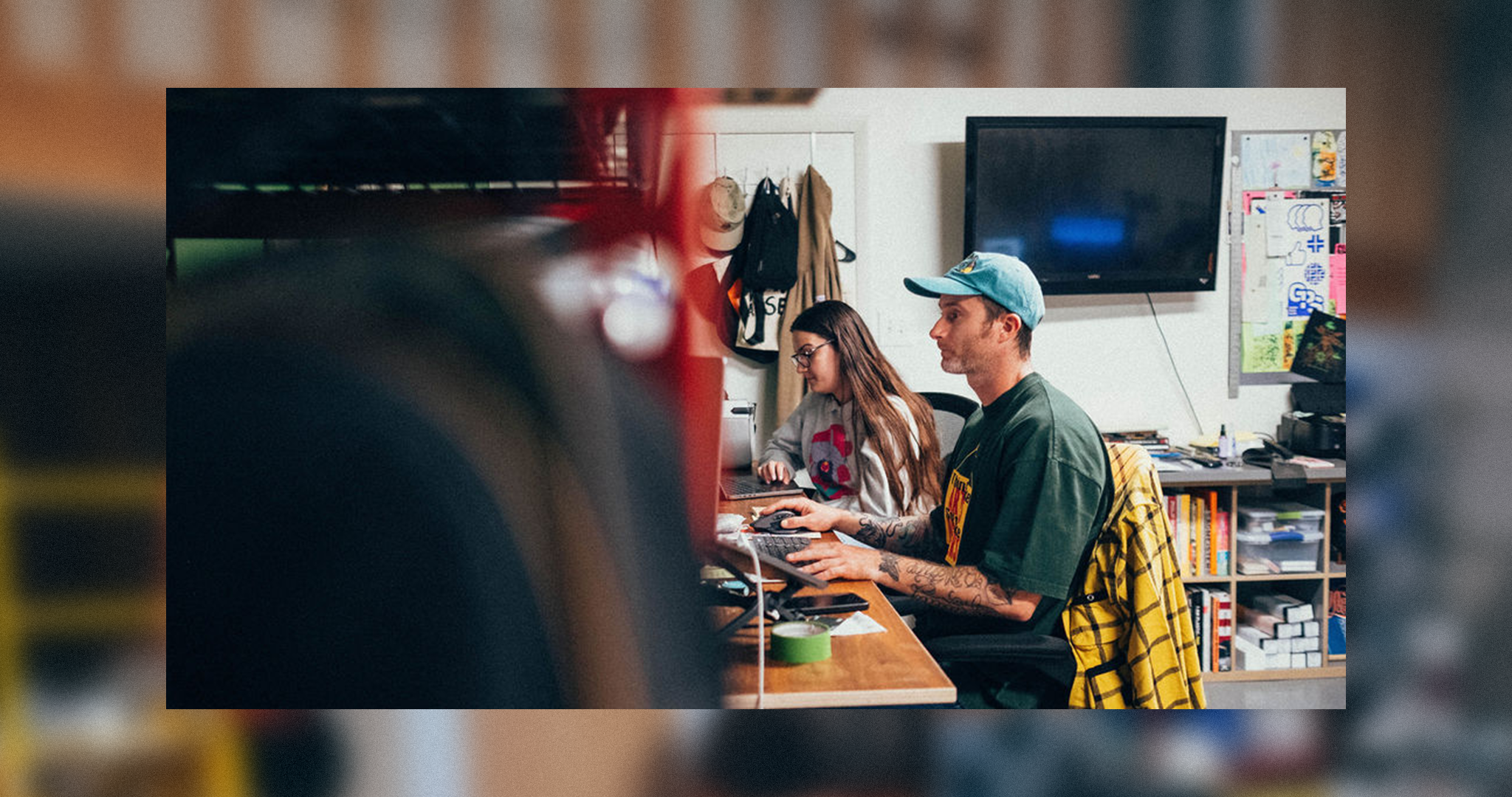
Years ago, Covivant Gallery combined artist studios with a contemporary exhibition space, creating an environment where ideas moved naturally between artists, designers, and visitors. Today, that same spirit continues at Hannah Creative, where Greater Public Studio and CWEBB Design share a multidisciplinary workspace.
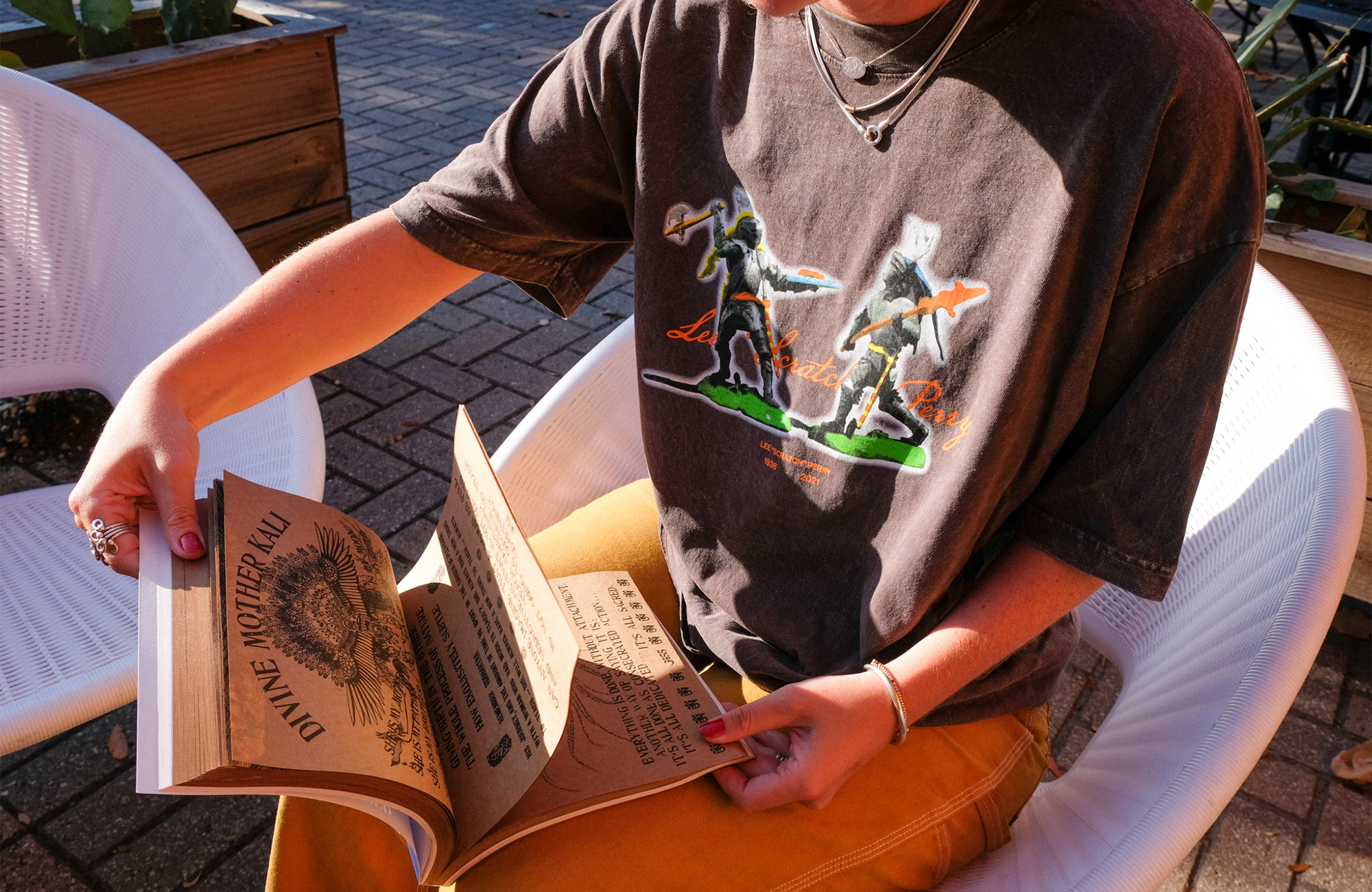
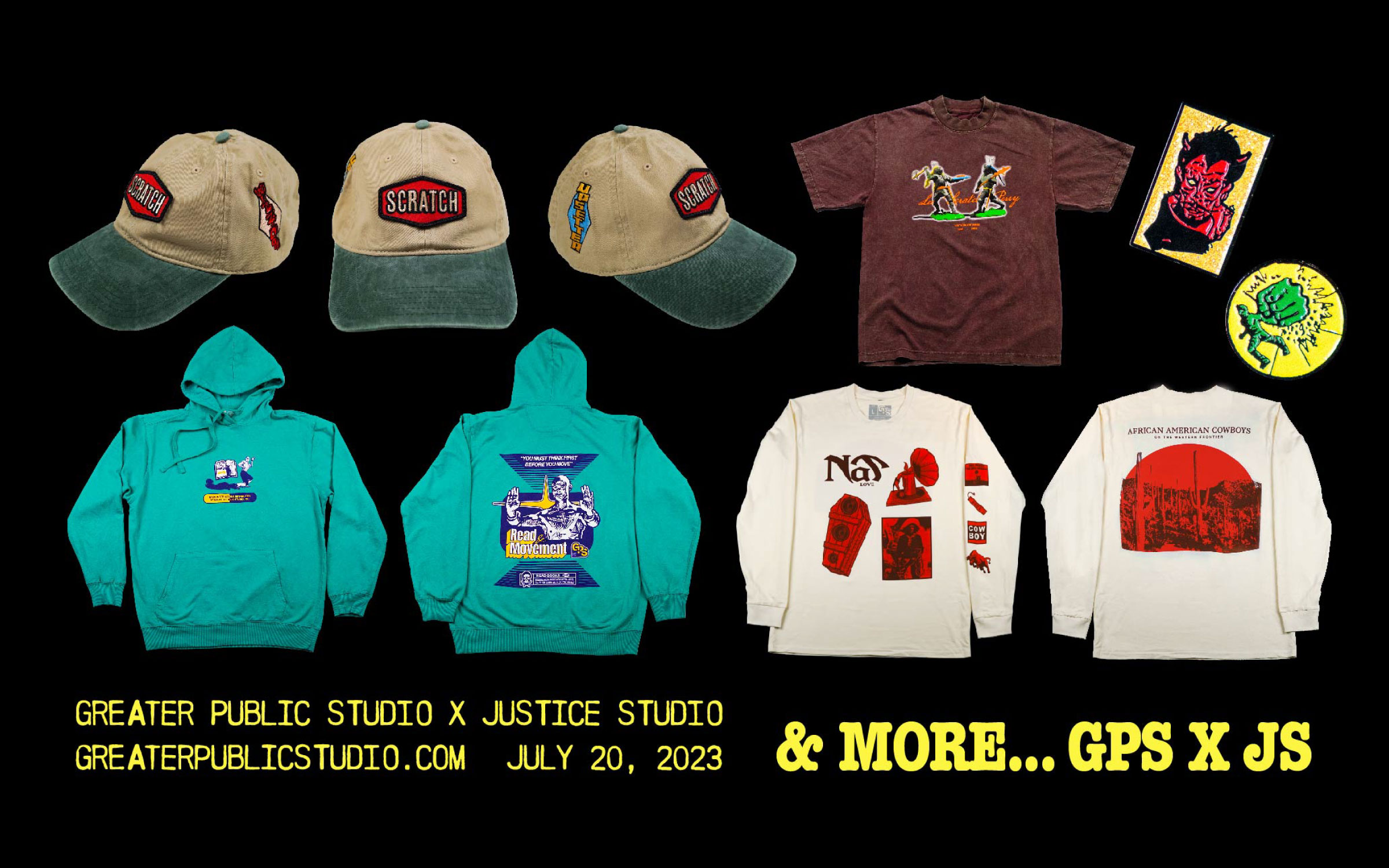
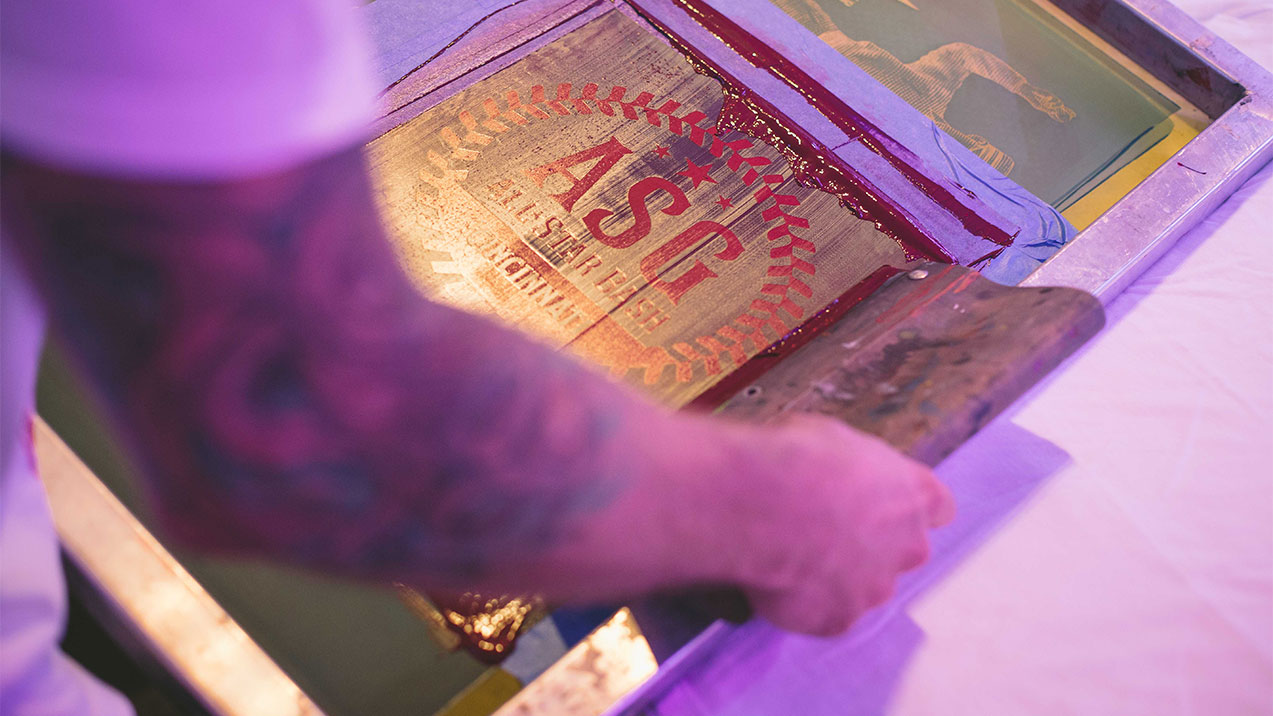
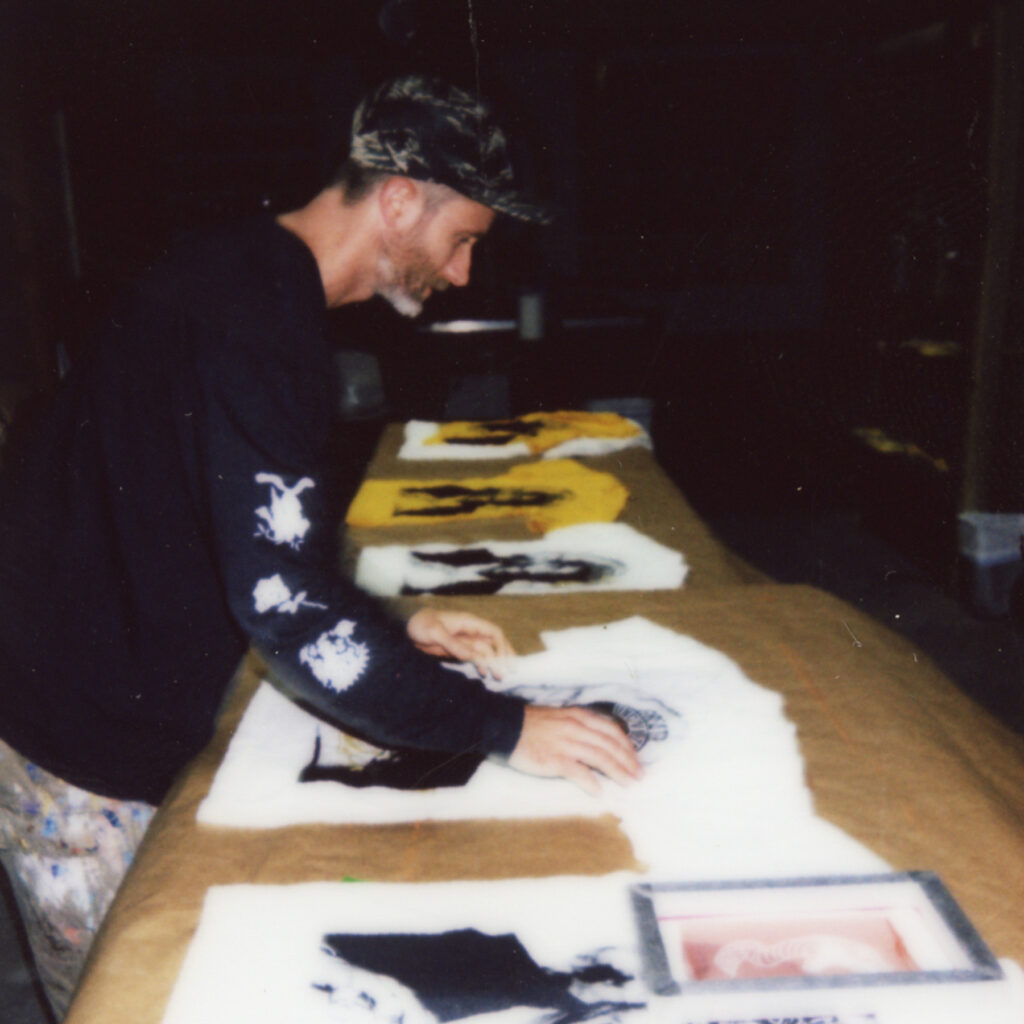
Together we have a fully equipped screen printing shop for apparel and fine art editions, a woodshop, CNC capabilities, fabrication space, and music rehearsal rooms. More importantly, we have people working alongside one another every day.
Shared creative spaces accelerate collaboration because ideas rarely stay isolated. A conversation over coffee becomes a mural concept. A woodworking project evolves into a sculpture commission. A screen print series becomes a gallery exhibition, which leads to a client looking for public art or environmental graphics. Skills, resources, and perspectives begin to overlap in ways that would be difficult to recreate alone.
That has always been the goal at Greater Public Studio. Not simply to produce murals or design projects, but to create an environment where artists, designers, makers, and musicians can work together, learn from one another, and build something larger than any individual practice.
Personal work may never pay the bills directly, but it often becomes the foundation for the collaborations, commissions, and creative communities that do.
Photo Credits: Alex Roberts, Keith Burnson, George Goldberg